Academic Improvement Module (AIM)

Focus
Strengthening access to quality education and improving academic performance among children and youth in rural communities.
Key Activities
Organizing reading competitions and structured reading clubs
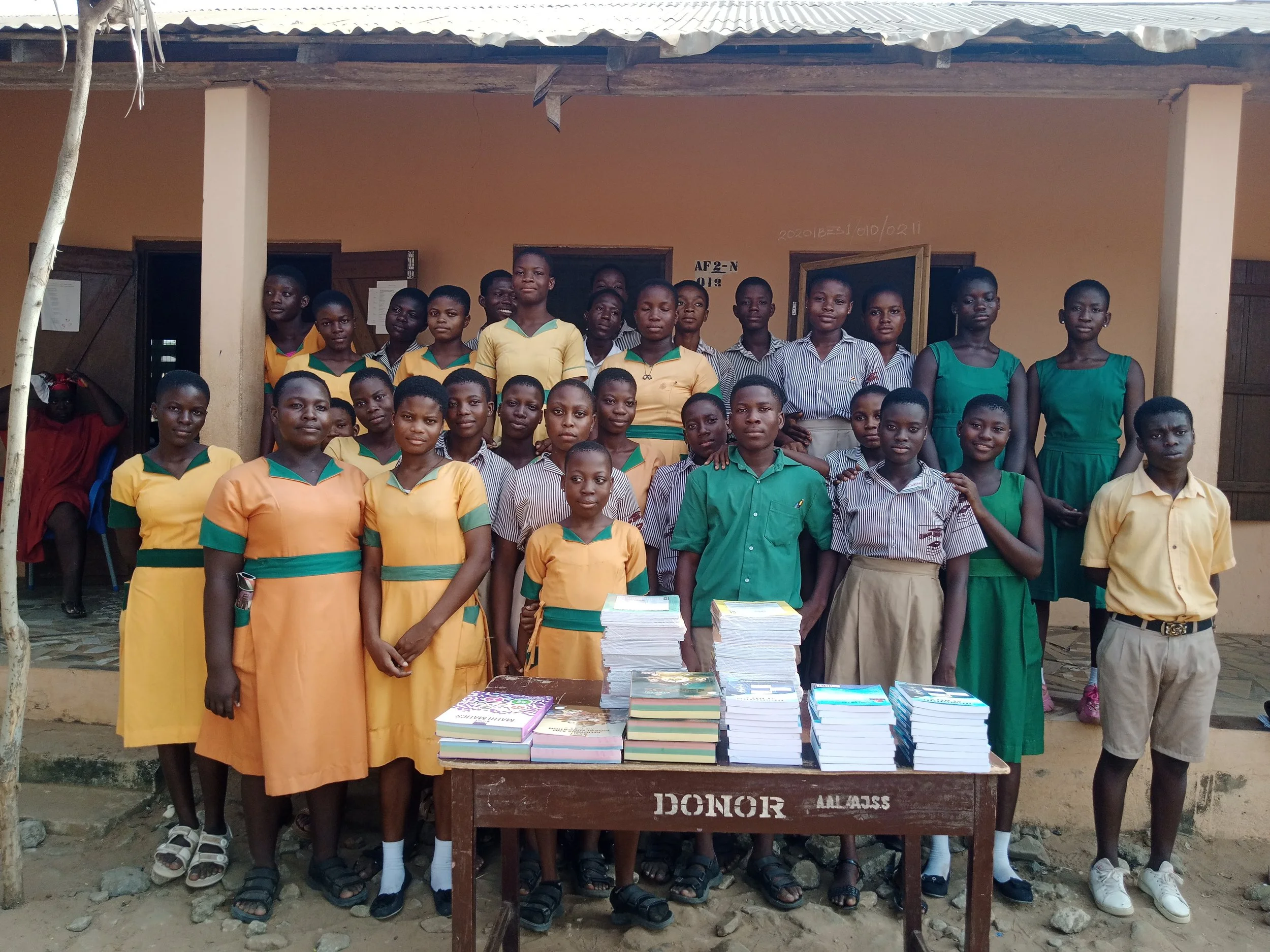
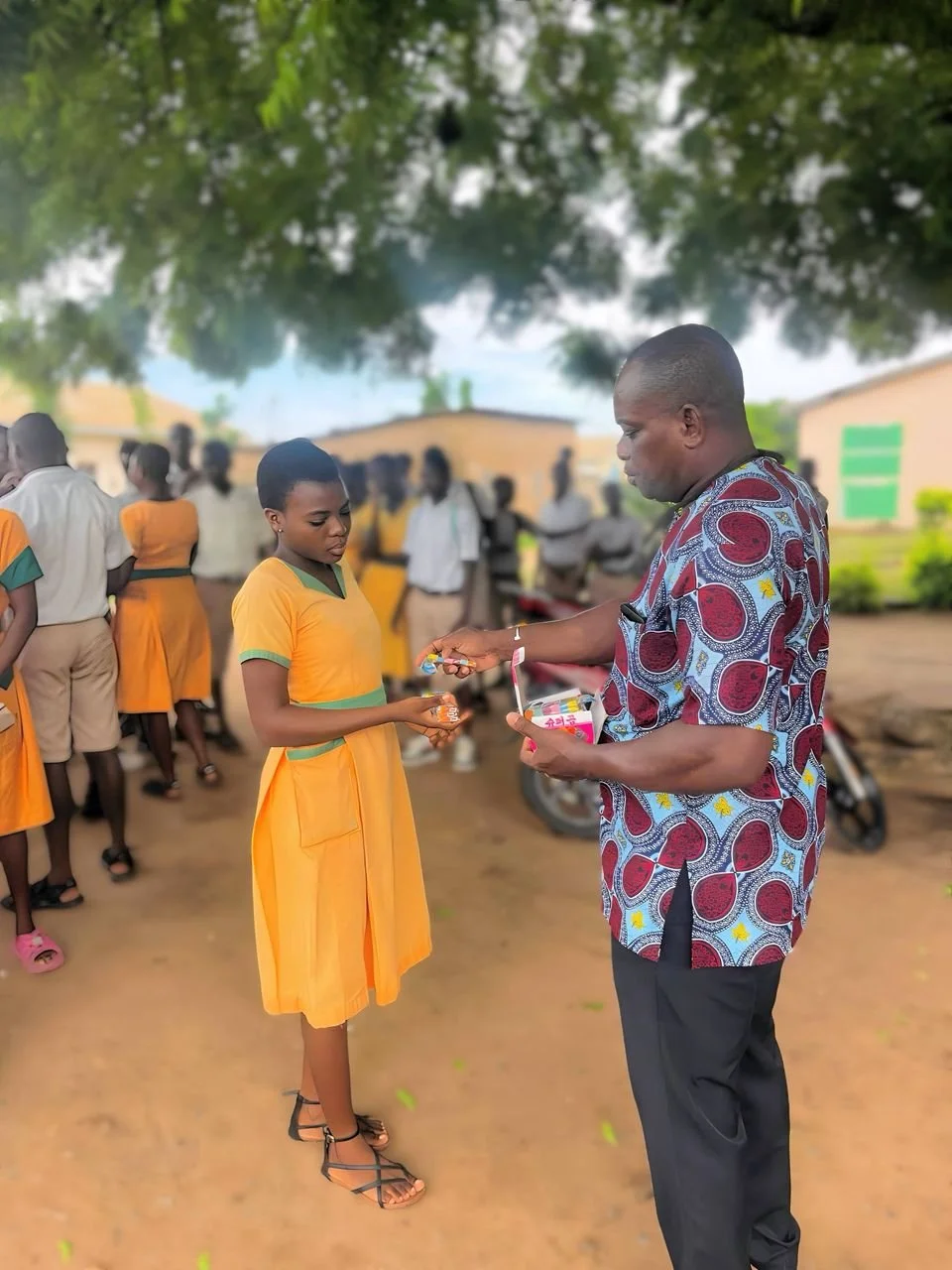
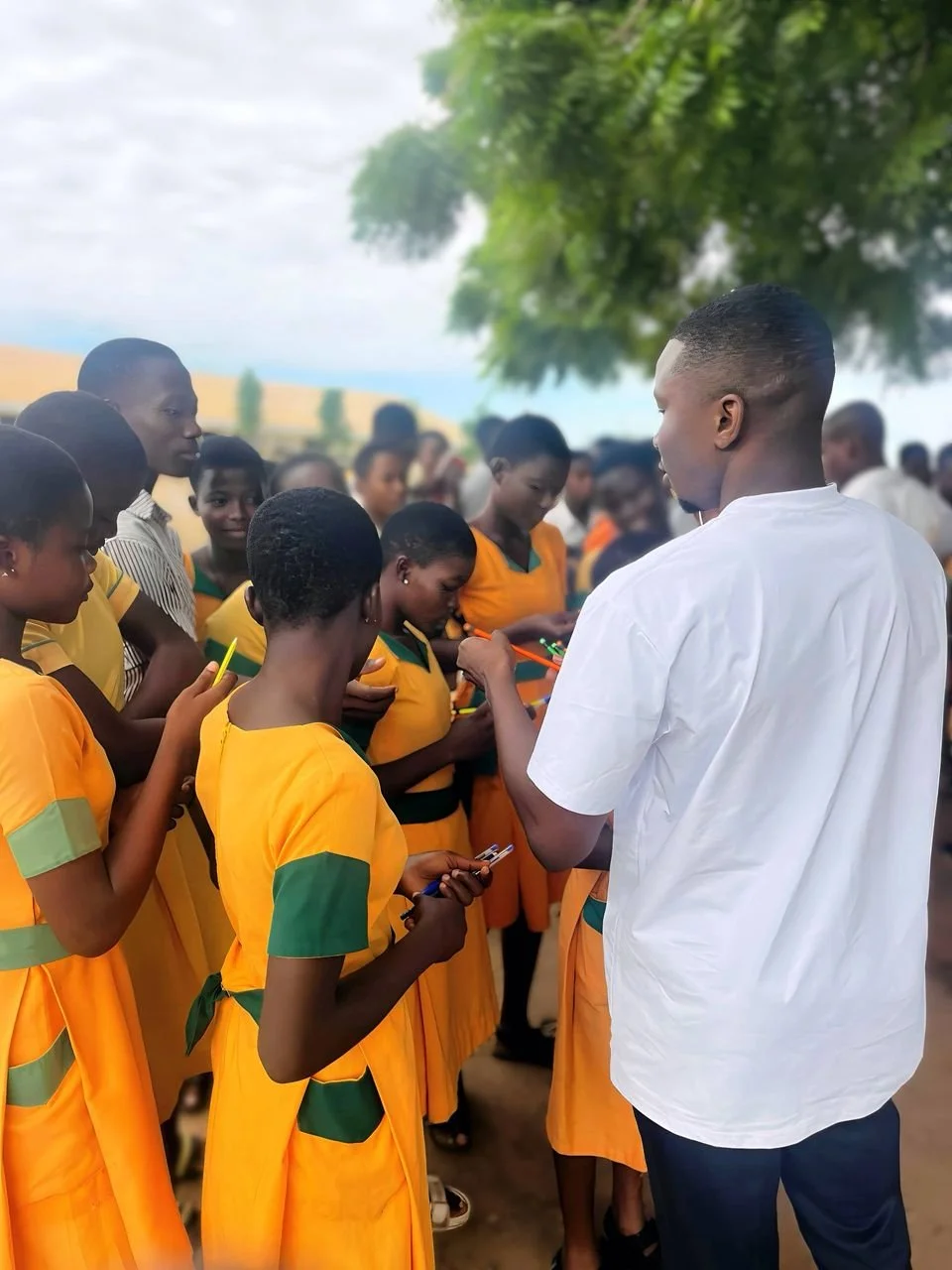
Providing essential learning materials, including textbooks and teaching aids
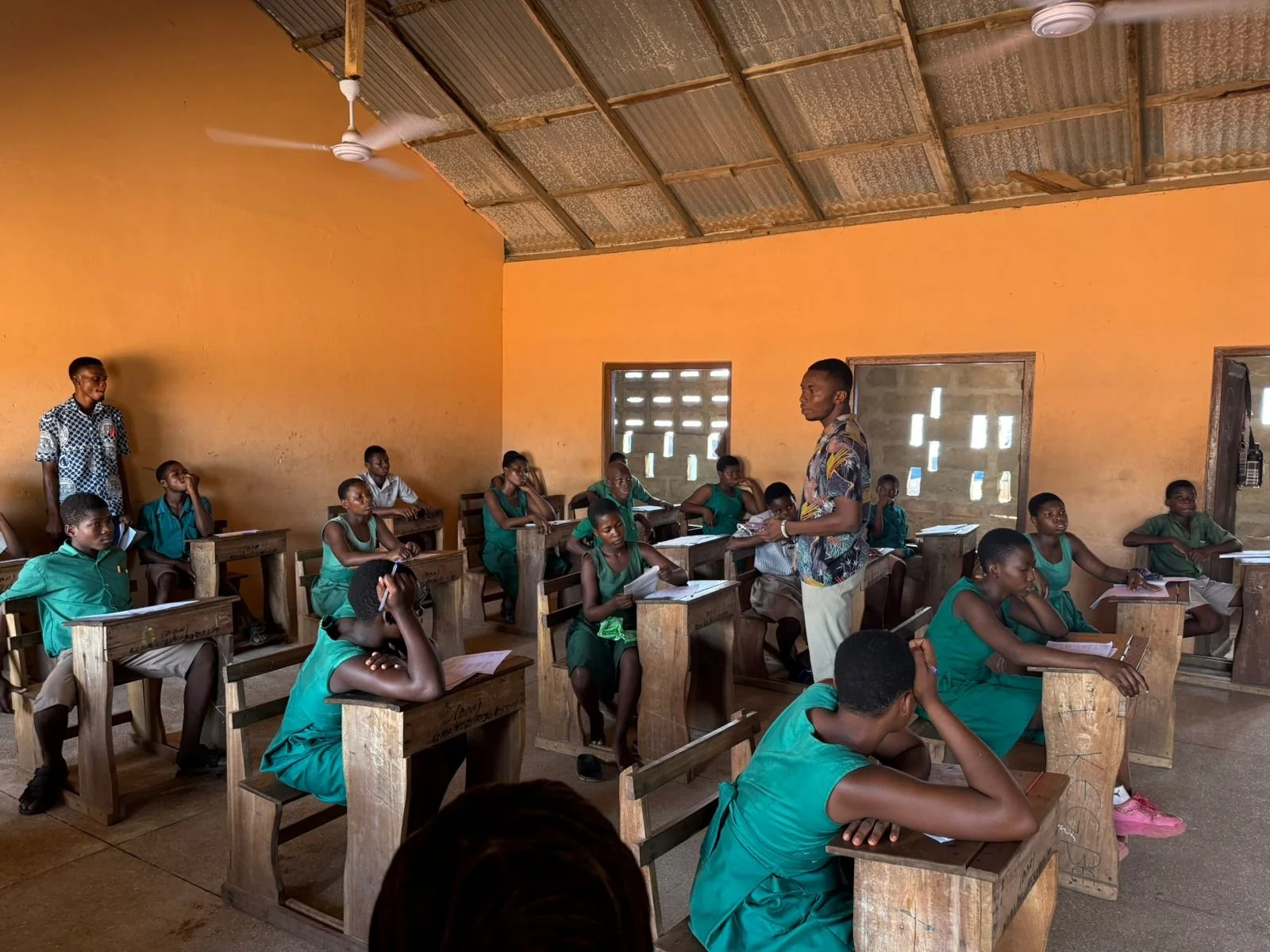
Supporting extra classes in core subjects
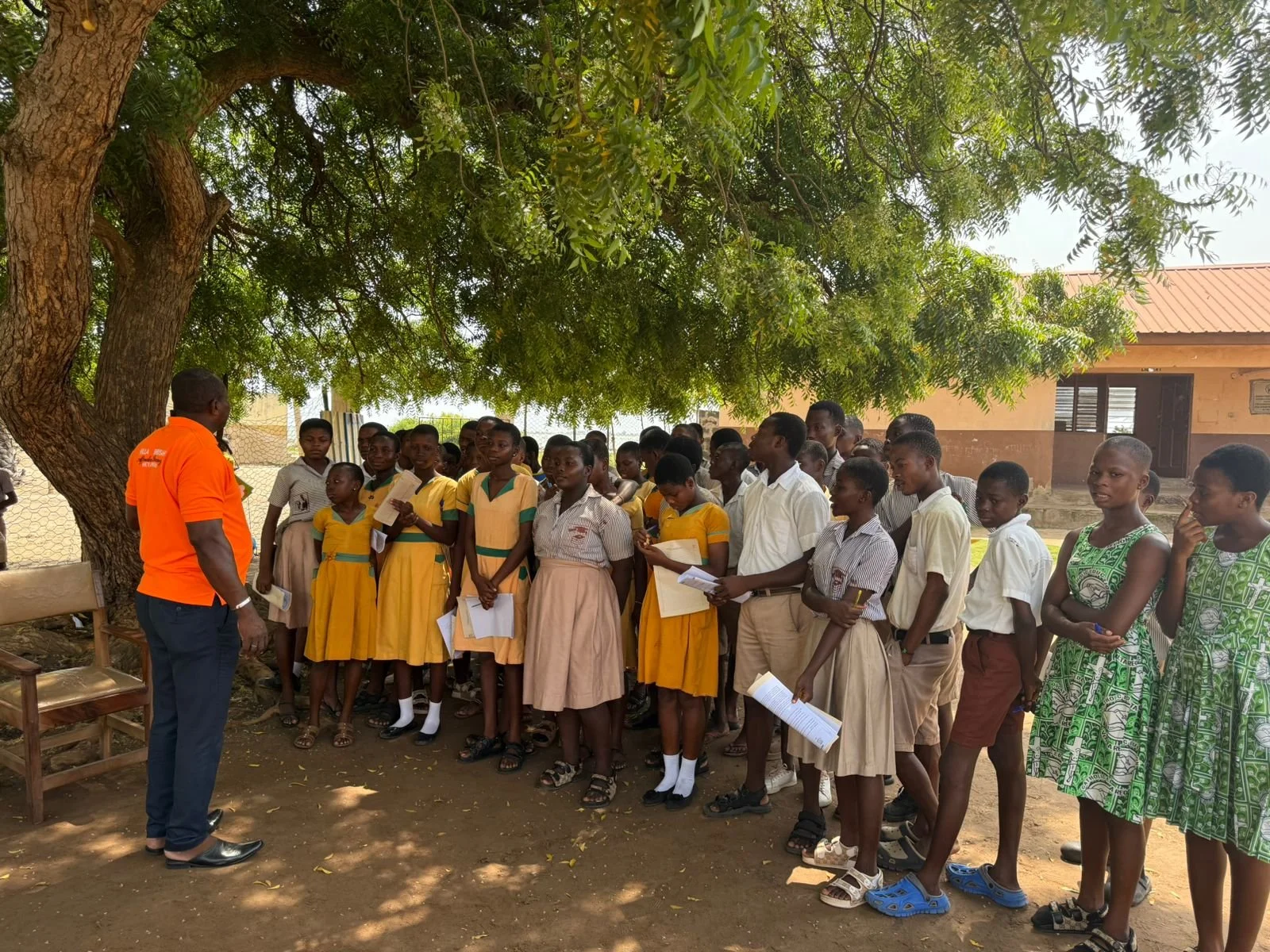
Delivering mindset and capacity-building sessions for pupils and teachers
Target Group
Primary and Junior High School students
AIM 2025/2026 Academic Year Pilot
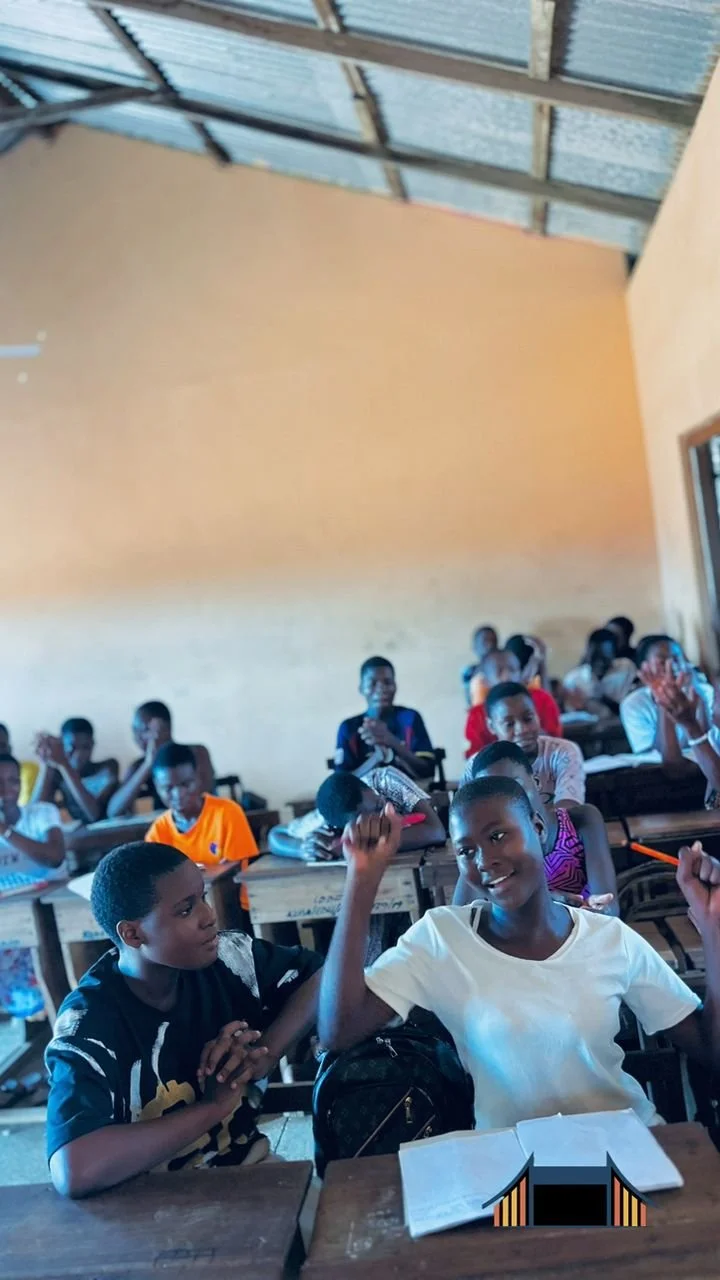
The AIM Pilot was implemented in Anlo-Afiadenyigba, a community in the Keta Municipality of Ghana, to address key challenges affecting teaching and learning. The programme scope was shaped through close engagement with students, school heads, alumni and community leaders, ensuring a, context-responsive approach to improving educationoutcomes in the community.
Partner Schools
Anlo-Afiadenyigba Roman Catholic Primary & JHS
Anlo-Afiadenyigba Evangelical Presbyterian JHS
Key Challenges Identified
Understaffing across partner schools
Limited access to textbooks and teaching and learning materials (TLMs)
Poor performance in the Basic Education Certificate Examination (BECE)
Low student engagement in learning
Limited structured academic support outside classroom hours
Our Intervention
Placed Volunteer Teaching Assistants (V‑TAs) to fill STEM subject gaps
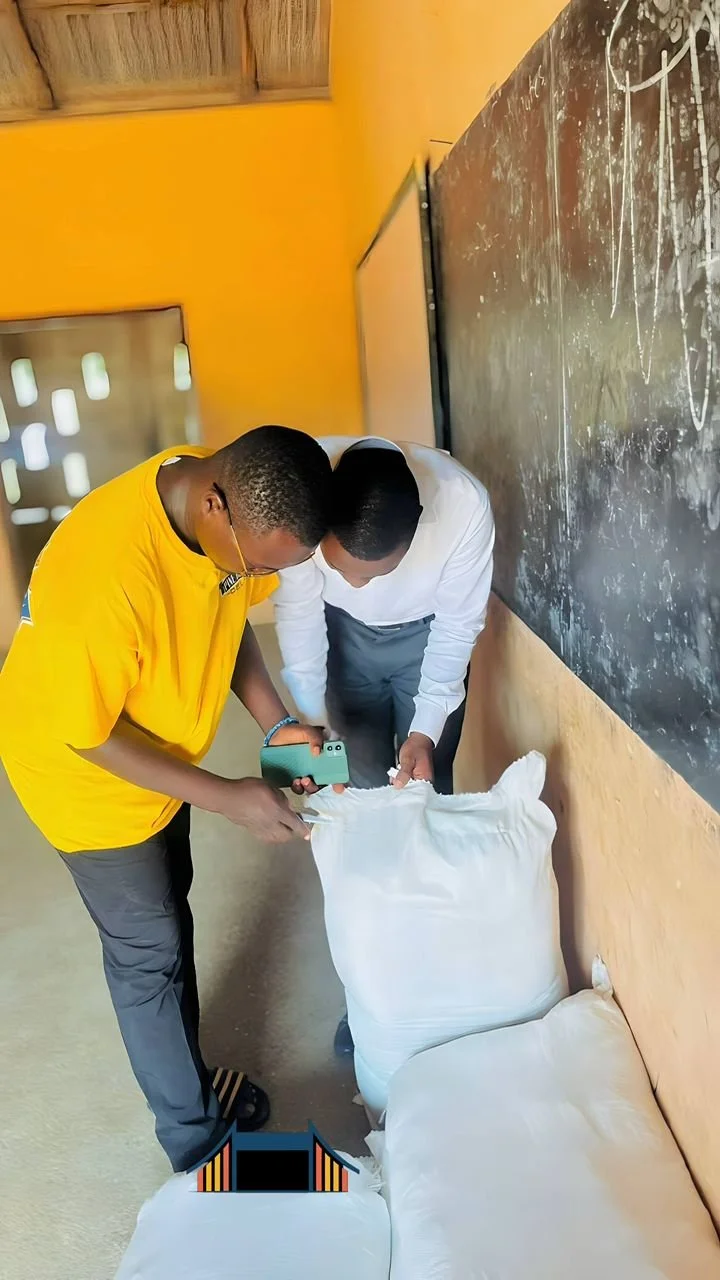
Provided essential learning materials to each school as requested by school heads.
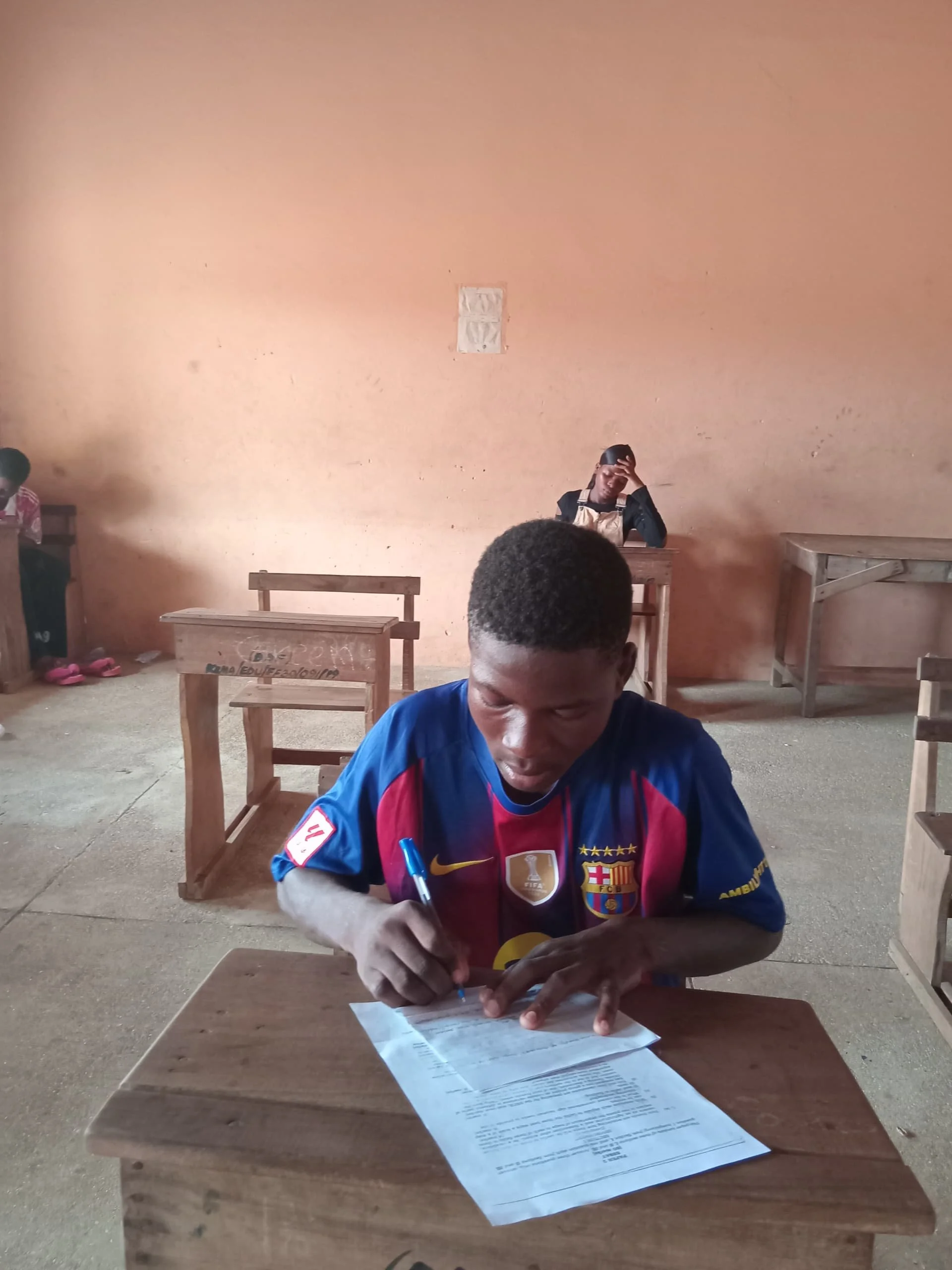
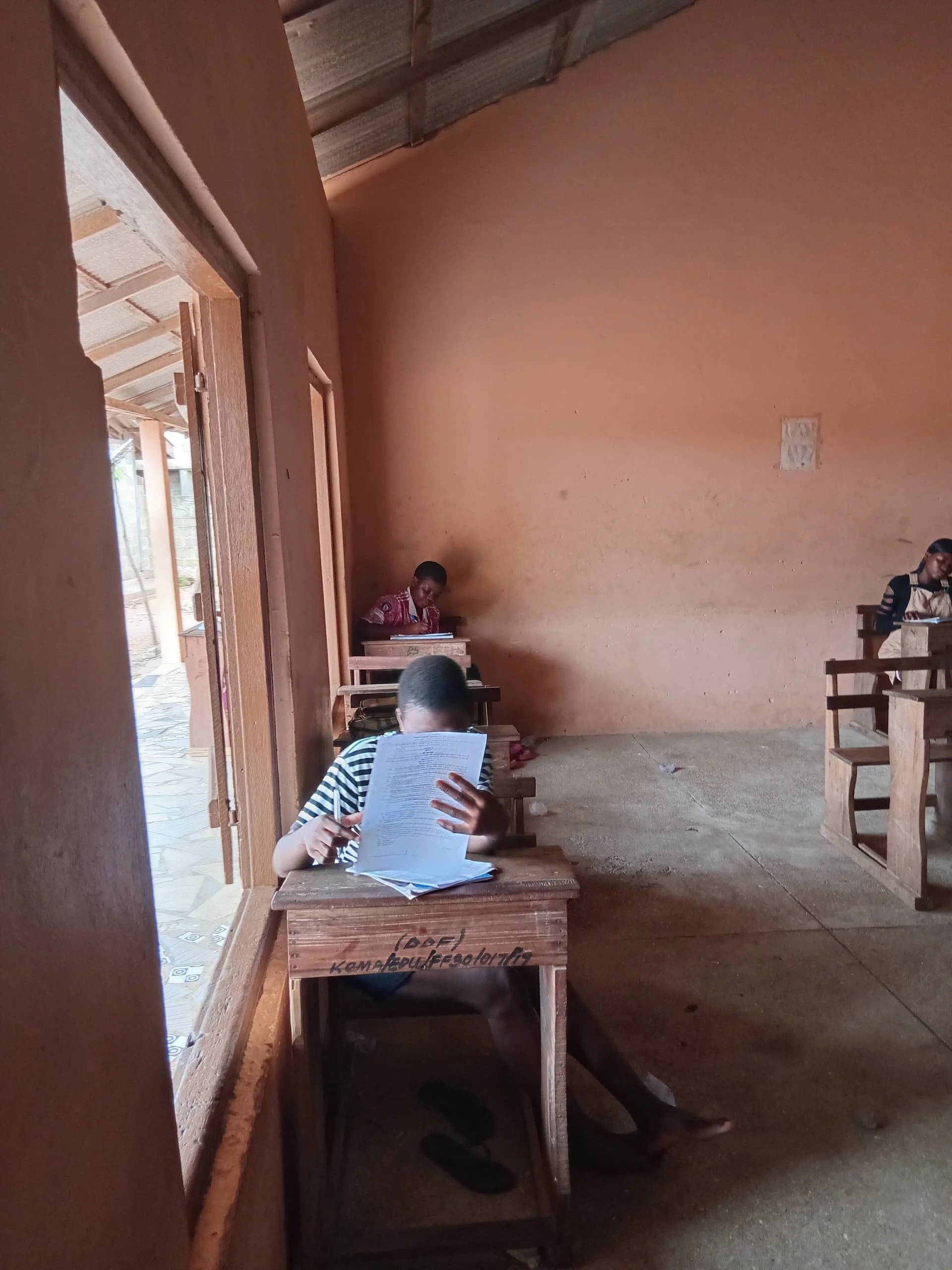
Delivered structured extra classes for 10 selected BECE candidates from each school.
Established a scholarship scheme for the top three performing students, which will provide financial support towards their senior secondary education while inspiring other students to improve their performance.
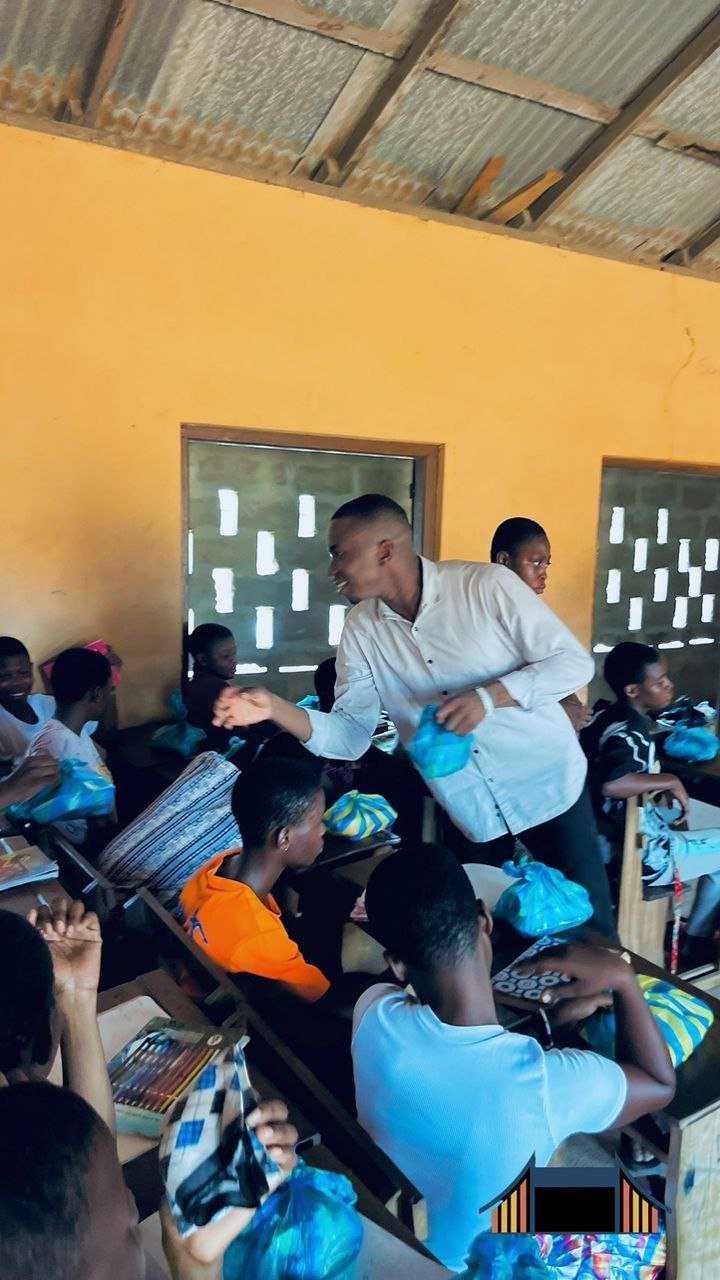
Distributed monthly student motivation packs, sourced from local businesses within the area to support local entrepreneurship
* All engaged V-TAs are either licensed teachers or hold a Bachelors Degree in Education.
Looking Ahead
The AIM pilot has demonstrated a practical and effective approach to improving learning outcomes. Continued implementation has seen the Volunteer Teaching Assistants (V-TAs) consistently supporting both schools, alongside increased learner participation in structured BECE preparation, growing from 20 to 40 students.
The programme has also received positive feedback from parents, school leaders, and community stakeholders, reflecting its relevance and impact. Insights from this phase will guide ongoing refinement and support future expansion into additional modules and communities.